Download File
Please provide your contact information below to proceed with the download. We only use this to enhance your experience and offer relevant updates.

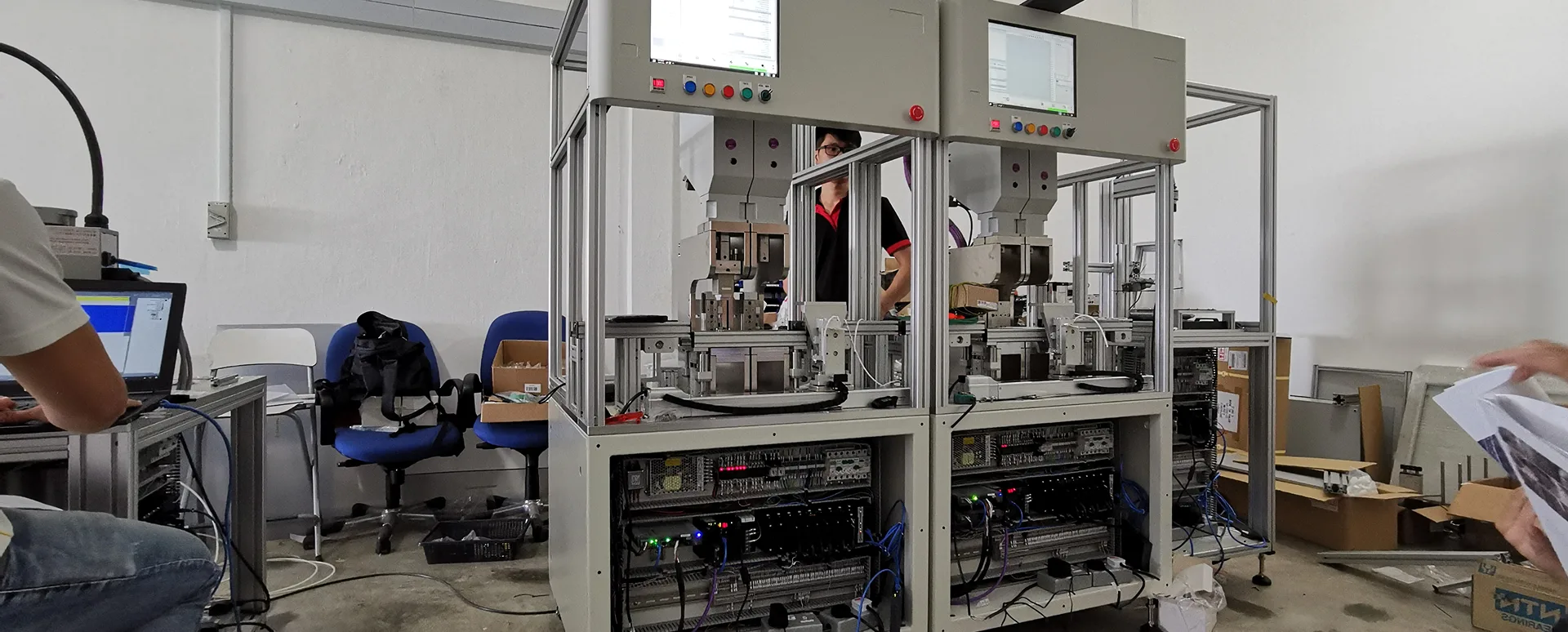
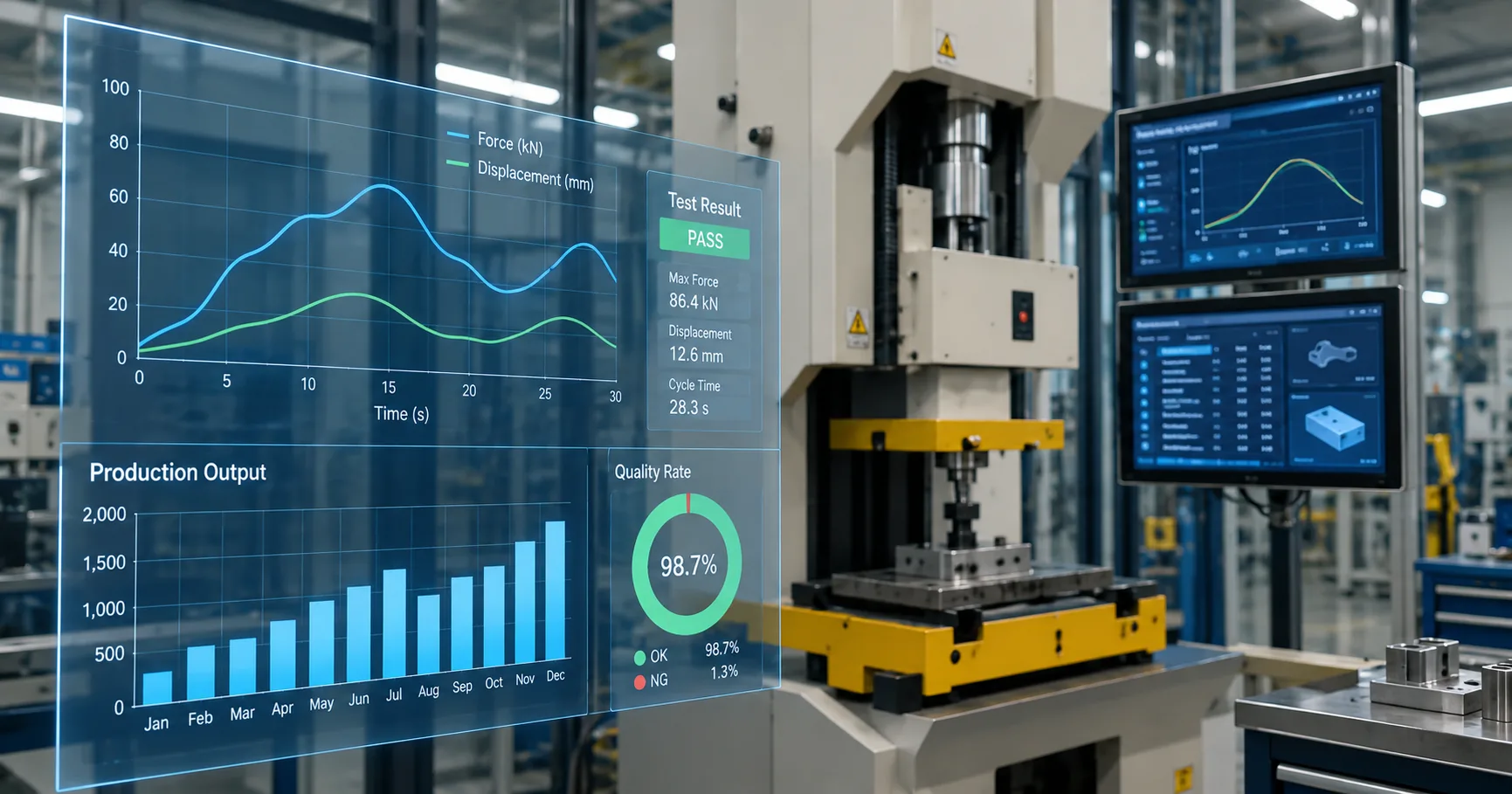
In Malaysia’s rapidly evolving manufacturing sector, staying ahead means embracing technologies that deliver precision, traceability, and real-time insights. Press force monitoring, once a niche capability, is now a cornerstone of modern production lines—especially as manufacturers in automotive, electronics, medical devices, aerospace, and high-mix low-volume sectors demand ever-greater quality and consistency. As 2026 approaches, understanding the data-driven advantages and practical realities of press force monitoring can unlock new efficiencies and elevate product quality for Malaysian factories.
Press force monitoring refers to the systematic measurement and control of force exerted during pressing or assembly operations. By capturing real-time data on each press cycle—such as force, stroke, speed, and result status—manufacturers can ensure every assembly meets strict specifications. This technology is integral to both manual and automated production, enabling robust process control, early detection of deviations, and comprehensive traceability.
For Malaysian manufacturers, where global customers expect zero-defect quality and regulatory compliance, press force monitoring acts as both a quality gate and a process optimizer. Integration with MES (Manufacturing Execution Systems) and data analytics platforms offers instant feedback, allowing production teams to identify trends, minimize rejects, and maintain high process capability indexes (Cp, Cpk).
These benefits are particularly impactful for high-force manual and servo press applications, where force control directly affects product integrity. Electronics manufacturers benefit from micro-assembly traceability, while medical device companies leverage press force data to comply with regulatory documentation requirements.
Press force monitoring solutions are adaptable, supporting diverse assembly processes across multiple sectors:
Many Malaysian manufacturers are also integrating this solution with advanced fastening and torque solutions, creating complete assembly workstations with unified process control and MES connectivity. This enables seamless data flow from press operations to enterprise-level analytics, supporting Industry 4.0 objectives.
By aggregating press force data across shifts, lines, and factories, Malaysian companies are gaining actionable insights:
These insights are driving competitive advantage. For example, manufacturers using the service have reported improved first-pass yield, reduced warranty claims, and faster validation during new product introductions. When paired with MES and traceability systems, such as those integrated by Preston Technology SDN. BHD., the benefits multiply—enabling real-time process monitoring, paperless records, and enterprise-wide quality visibility.
To maximize ROI, manufacturers should consider these steps:
Local engineering support can accelerate implementation and minimize disruptions, especially when integrating new this guide technology into legacy lines. Working with partners experienced in Malaysian manufacturing realities ensures faster commissioning, tailored solutions, and ongoing technical support.
Looking ahead to 2026 and beyond, this solution will continue to evolve as core infrastructure for smart factories. Key trends include:
Malaysian manufacturers who invest in robust the service today will be well positioned to compete in an increasingly data-driven global market. As more factories pursue digital transformation, the ability to capture, analyze, and act on press force insights will set industry leaders apart.
this option is no longer just an add-on—it’s a core enabler of quality, efficiency, and traceability in Malaysian manufacturing. By integrating force monitoring with MES, traceability systems, and advanced assembly equipment, manufacturers can achieve higher product quality and operational excellence. As 2026 unfolds, those who leverage these data-driven insights will be best equipped to meet customer demands and regulatory requirements while driving continuous improvement and innovation.
For further reading on smart assembly and process control, explore our guide on Schmidt servo press technology in EV battery manufacturing and our analysis of smart manufacturing trends in Malaysia.
Press force monitoring is the process of measuring and controlling the force applied during pressing or assembly operations. It is critical in manufacturing because it ensures that each product meets exact specifications, enhances process traceability, reduces defects, and supports quality assurance and regulatory compliance.
By capturing real-time data on each press cycle, press force monitoring systems can detect deviations from set parameters instantly. This data provides a digital audit trail, helps prevent defective assemblies, and enables manufacturers to quickly identify and correct process issues, ensuring consistent product quality and full traceability.
Industries such as automotive, electronics, medical devices, aerospace, and high-mix low-volume manufacturing benefit significantly from press force monitoring. These sectors require high precision, regulatory compliance, and detailed process documentation, making force monitoring essential for their assembly operations.
Effective implementation involves selecting the right equipment for the application, integrating with MES or production data systems, standardizing data collection practices, training staff, and focusing initially on high-impact assembly processes. Partnering with experienced local engineering providers can also streamline deployment and support.
Manufacturers can expect trends such as cloud-based data analytics, deeper MES and traceability integration, adaptive press control, and more intuitive operator interfaces. These advancements will further enhance process transparency, data-driven decision making, and manufacturing efficiency in the years ahead.
Ready to elevate your manufacturing operations with advanced press force monitoring? Preston Technology SDN. BHD. delivers complete assembly solutions, precision pressing, MES integration, and expert support tailored for Malaysian factories. Empower your team with real-time data, process traceability, and Industry 4.0 capabilities—partner with us to drive your smart manufacturing transformation.
