Download File
Please provide your contact information below to proceed with the download. We only use this to enhance your experience and offer relevant updates.

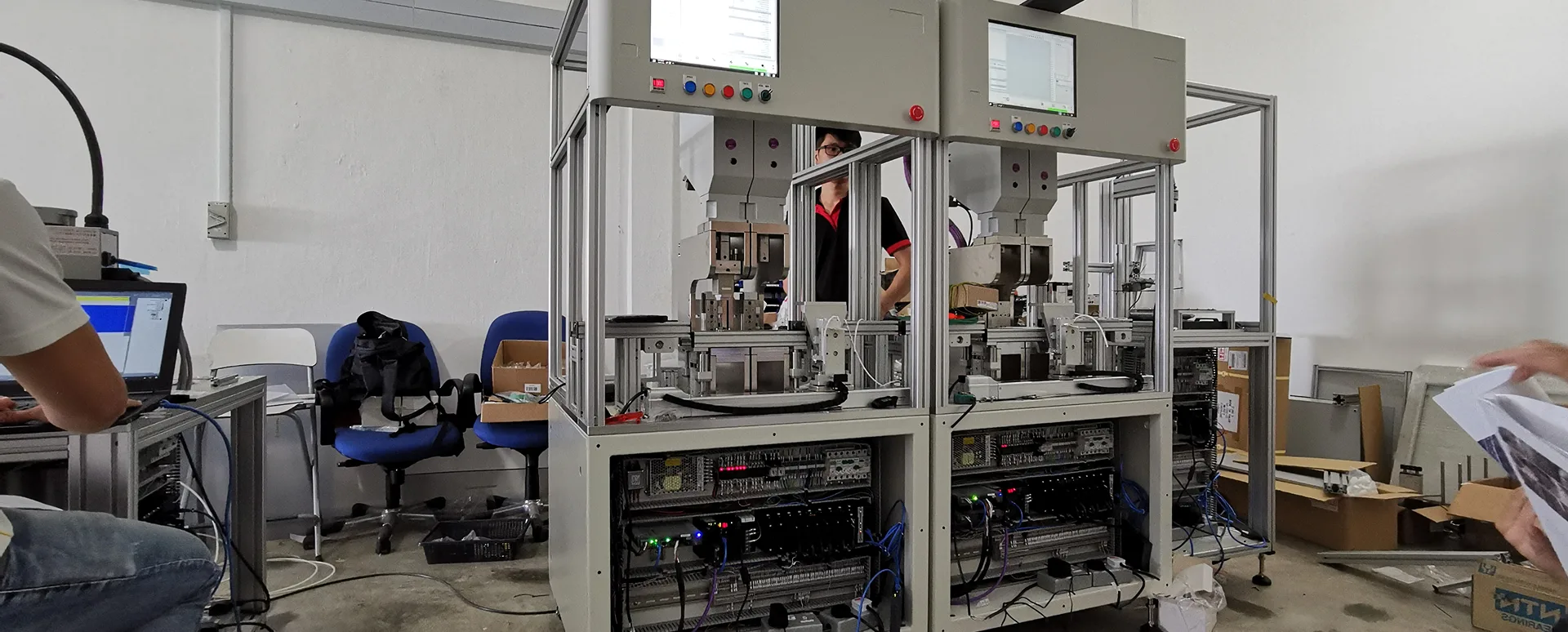
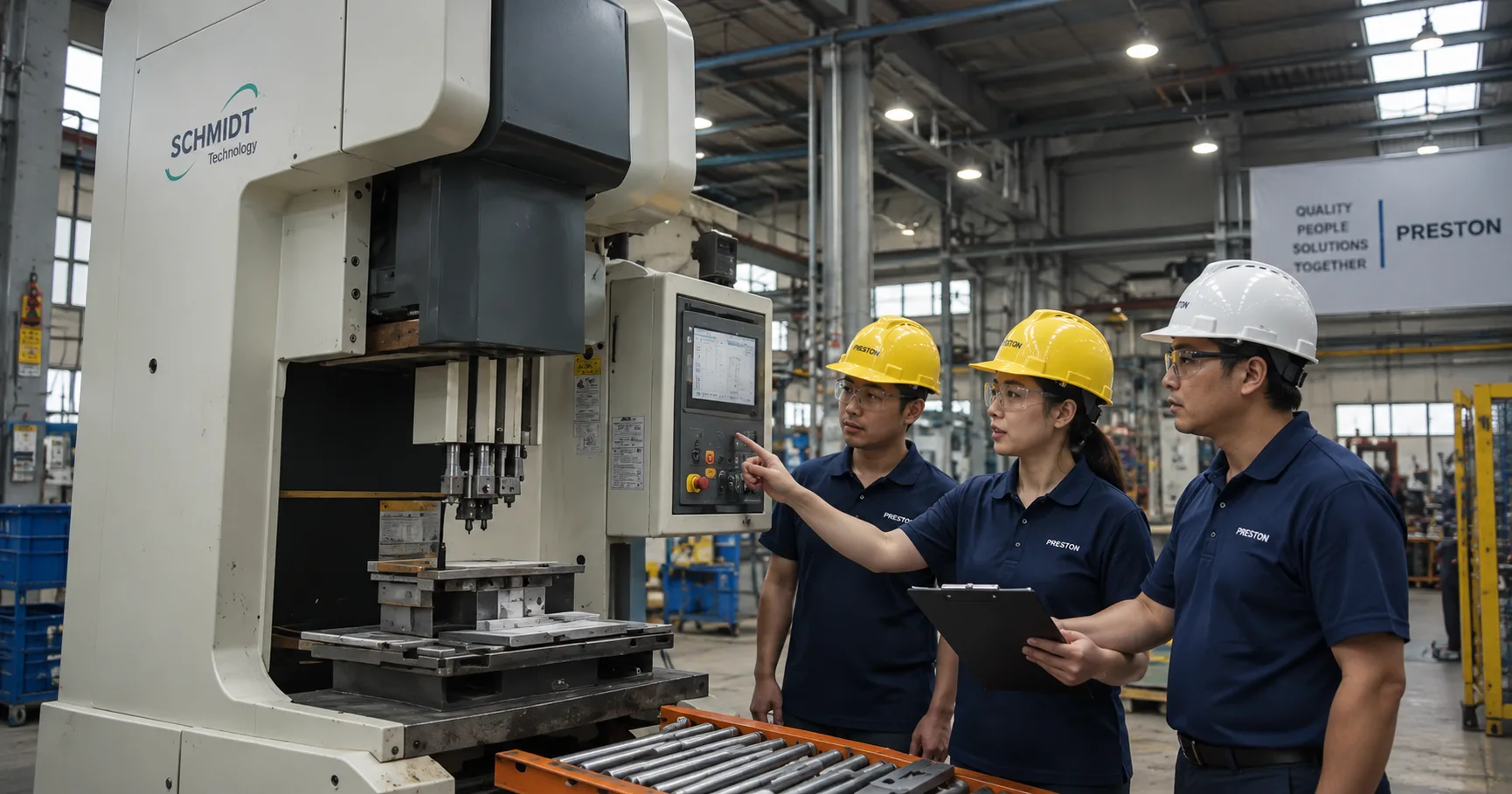
The manufacturing landscape in Malaysia is evolving rapidly as factories strive to meet global quality standards and boost productivity. Among the most significant advancements driving this change is the adoption of modern servo press technology. For automotive, electronics, aerospace, and other high-value manufacturing sectors, servo presses are now central to achieving precise, repeatable, and traceable assembly processes. This article explores the latest trends in servo press systems, their impact on Malaysian manufacturers, and what production and engineering leaders should know when considering investment in these technologies. For readers comparing options, Servo Press Malaysia is the main topic this guide explains.
Servo press systems have become essential in industries where accuracy, flexibility, and controlled force application are non-negotiable. Unlike traditional pneumatic or hydraulic presses, servo presses use advanced servo motors and closed-loop feedback to ensure precise control over pressing force, speed, and position. This results in tighter tolerances, improved product quality, and less variability on the production line.
Malaysian manufacturers, particularly in the automotive, electronics, and aerospace sectors, are embracing servo press technology for several reasons:
As technology evolves, several trends are shaping how Malaysian manufacturers approach servo press system adoption:
With the push towards digital manufacturing, servo presses are increasingly being deployed as part of Industry 4.0 initiatives. Presses now routinely feature connectivity for real-time data acquisition, remote monitoring, and integration with Manufacturing Execution Systems (MES). This allows for predictive maintenance, process optimization, and enhanced production transparency.
Current servo press models offer sophisticated process monitoring options, including force/stroke signature analysis, in-process quality checks, and comprehensive cycle data logging. These features help production engineers quickly identify process deviations and maintain consistent quality, crucial for sectors like medical device and aerospace manufacturing.
Manufacturers handling a diverse range of products value the flexibility of servo presses. Configurable tooling, programmable force profiles, and rapid recipe changes make it easier to handle multiple product variants without lengthy retooling or programming downtime.
Servo presses are inherently more energy-efficient than traditional hydraulic systems. With precise control and the ability to operate only when needed, these systems reduce energy consumption and help manufacturers meet sustainability targets—a growing priority for Malaysian industry.
Servo presses are proving their value across Malaysia’s most advanced manufacturing sectors:
For a deeper dive into how servo press technology is revolutionizing specific applications like EV battery manufacturing, see our article on Schmidt Servo Press in EV Battery Manufacturing.
Adopting servo press technology involves more than purchasing new equipment. Production and engineering teams should assess the following:
Working with experienced solution providers, such as Preston Technology SDN. BHD., ensures that manufacturers receive tailored advice, system design, and hands-on support for their servo press projects.
The latest servo press platforms are designed with advanced features that cater to the evolving needs of Malaysian manufacturers:
For further information about leading servo press products available in Malaysia, explore the Schmidt Servo Press range offered by Preston Technology.
Servo press technology is at the forefront of Malaysia’s shift toward smarter, more efficient, and quality-driven manufacturing. As Industry 4.0 adoption accelerates, investing in advanced servo press systems enables local factories to improve product quality, increase traceability, and compete globally. By partnering with knowledgeable solution providers and focusing on integration and training, Malaysian manufacturers can unlock the full potential of servo press technology in their operations.
Ready to explore the benefits of servo press systems for your factory? Reach out to Preston Technology SDN. BHD. for engineering consultation, system integration, and comprehensive support tailored to your production needs.
A servo press uses a servo motor to control the pressing force, speed, and position with great precision. Unlike pneumatic or hydraulic presses, servo presses offer programmable motion profiles, closed-loop feedback, and enhanced process control, resulting in higher accuracy, repeatability, and traceability.
Malaysian manufacturers are adopting servo presses to achieve higher product quality, meet international standards, and enable traceable, repeatable assembly processes. The technology supports flexible production, reduces energy consumption, and integrates seamlessly with Industry 4.0 systems.
Servo presses feature advanced connectivity, allowing integration with Manufacturing Execution Systems (MES), data capture for every press cycle, real-time monitoring, and remote diagnostics. This supports predictive maintenance, process optimization, and comprehensive production traceability.
Key considerations include defining application requirements (force, stroke, speed), planning for system integration with automation and MES, ensuring operator and engineer training, and selecting suppliers who provide strong local support, maintenance, and technical expertise.
Servo press systems are particularly valuable for automotive, electronics, aerospace, and medical device manufacturing sectors in Malaysia, where precision, repeatability, and process traceability are critical to success.
Drive your manufacturing operations forward with the latest precision servo press solutions, integrated assembly systems, and expert support from Preston Technology SDN. BHD. Our team delivers tailored engineering consultation, system design, MES integration, and ongoing technical support to ensure your factory achieves world-class quality, traceability, and efficiency. Discover how our advanced technologies and local expertise can help you stay ahead in Malaysia’s competitive manufacturing landscape.
