Download File
Please provide your contact information below to proceed with the download. We only use this to enhance your experience and offer relevant updates.

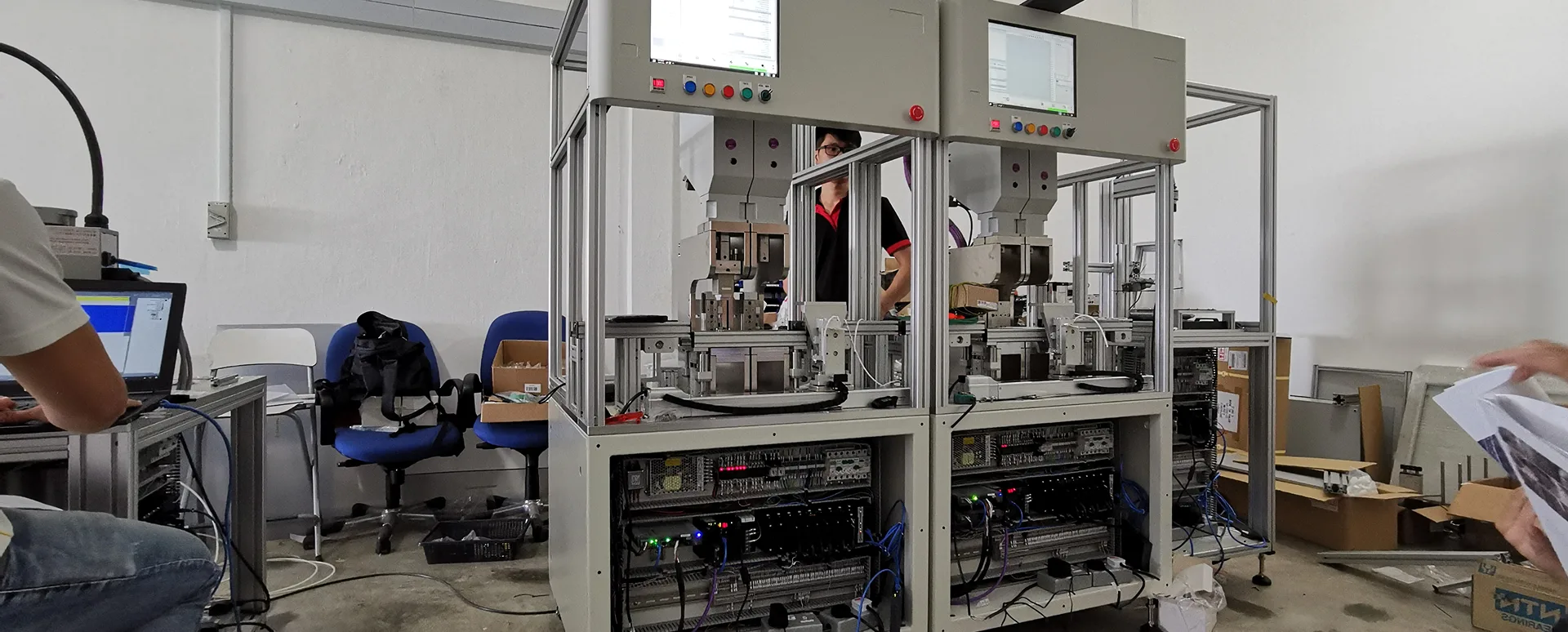
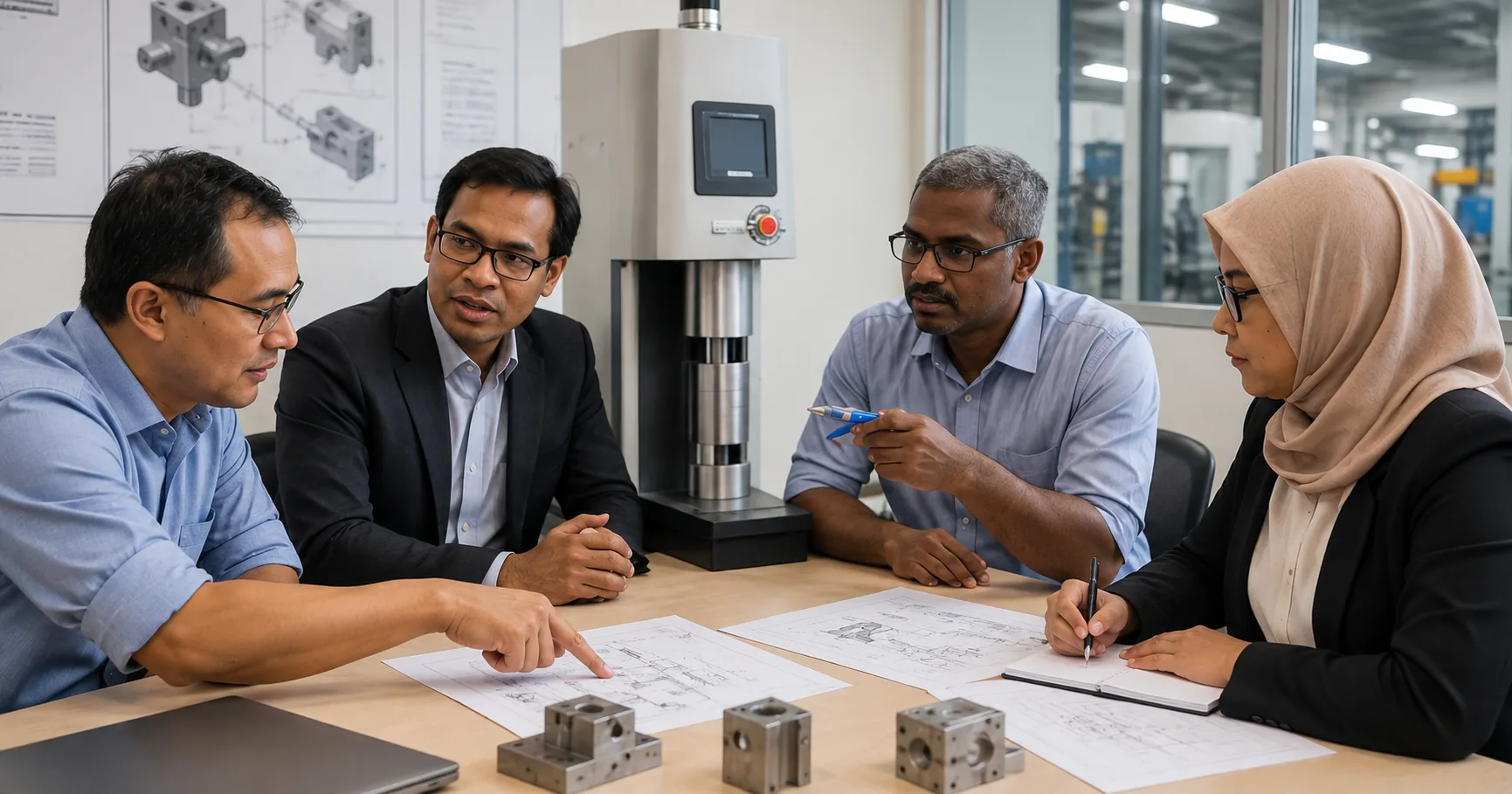
In Malaysia’s fast-evolving manufacturing landscape, decision makers face constant pressure to improve product quality, traceability, and process efficiency. One technology that’s increasingly in the spotlight is the press fit machine—a precise, repeatable assembly system trusted across global industries. But is a Press Fit Machine Malaysia truly the right investment for your operation? In this article, local experts from diverse sectors weigh in, sharing practical perspectives to help you make an informed decision.
Press fit machines are purpose-built for joining components using force, rather than adhesives or fasteners. They employ controlled pressing—often with servo, pneumatic, or hydraulic drives—to insert pins, bushings, bearings, or connectors into mating parts. This process creates a molecular-level interference fit, delivering robust mechanical joints without heat or glue.
Modern press fit systems in Malaysia now feature sophisticated force and distance monitoring, programmable recipes, and integration with Manufacturing Execution Systems (MES) for full traceability. Typical industries that benefit include automotive, electronics, medical, aerospace, and high-mix low-volume sectors. The value lies in their ability to deliver consistent, documentable results even for sensitive or safety-critical assemblies.
Automotive plants in Malaysia increasingly rely on press fit machines for critical tasks like seating bearings, pressing gears onto shafts, and assembling engine components. The ability to monitor force and stroke—ensuring every part is installed to spec—reduces rework and warranty risks. Integration with MES systems allows for complete process traceability, essential for Tier 1 and Tier 2 suppliers.
In electronics and contract manufacturing, press fit assembly is vital for inserting connectors, headers, and delicate components onto PCBs or housings. Machines equipped with micro-pressing capabilities allow precise control over force and position, minimizing product damage while supporting high-throughput operations. Traceability features are especially valuable for quality audits and regulatory compliance.
Medical device producers must meet stringent standards for repeatability and cleanliness. Press fit machines enable consistent, validated assembly of components such as syringe plungers, valves, and implantable device housings. Data logging capabilities help maintain regulatory records and simplify process validation.
Aerospace manufacturers value press fit equipment for assembling components where reliability and documentation are non-negotiable. The ability to monitor OK/NOK results, record force profiles, and integrate with digital quality systems supports both safety requirements and process improvement initiatives.
However, successful adoption also requires careful attention to application engineering, tooling design, operator training, and ongoing technical support. Machines must be matched to both current and future product requirements to maximize ROI.
While press fit machines offer compelling advantages, they are not universally applicable. Certain scenarios may make alternative technologies preferable:
Our expert view is that a press fit machine delivers the greatest benefit when used for high-reliability, high-consistency assembly tasks where process control and traceability are essential. For non-critical or low-volume applications, simpler solutions may suffice.
We spoke with engineers, production managers, and automation leads from several Malaysian manufacturing sectors. Here are some of their key observations:
These case studies illustrate that the value of press fit machines is maximized when combined with expert application engineering, robust technical support, and integration with wider digital manufacturing strategies.
Working with experienced providers, such as those offering SCHMIDT presses and integrated assembly solutions, can streamline the evaluation and implementation process. For more on precision equipment validation, see our article on validating and calibrating your press system.
In summary, press fit machines have proven their value across Malaysia’s automotive, electronics, medical, aerospace, and industrial sectors—delivering precision, traceability, and efficiency. However, their true potential is realized when matched to the right applications and supported by expert engineering, robust service, and integration with digital manufacturing systems.
If your operation faces challenges with assembly consistency, product quality, or regulatory compliance, investing in a Press Fit Machine Malaysia could be a transformative step. However, a thorough application review and partnership with local experts remains essential to ensure the technology delivers on its promise for your unique needs.
Ready to explore how press fit solutions can elevate your manufacturing process? Reach out for a tailored consultation with local specialists who understand your industry and goals.
The main industries benefiting from press fit machines in Malaysia are automotive manufacturers (for engine and chassis assembly), electronics and EMS firms (for inserting connectors and micro-assembly), medical device makers (where traceability and repeatability are critical), aerospace, and other precision engineering sectors. High-mix, low-volume manufacturers also see significant gains in flexibility and process control.
Key advantages include precise force and stroke control, consistent assembly quality, full process traceability, integration with Manufacturing Execution Systems (MES), reduced manual errors, and improved production efficiency. Advanced models also support quick changeovers and recipe management for flexible operations.
Evaluate your assembly processes for tasks that require controlled force, repeatability, and traceability. If your products are safety-critical, regulated, or prone to quality issues due to manual assembly, a press fit machine is likely a strong fit. Consider production volume, part geometry, and traceability requirements as decision factors.
Look for suppliers with experience in your industry, proven engineering support, custom tooling capabilities, local technical assistance, and a track record of integrating MES and traceability solutions. Partnering with a local team ensures faster response times and better adaptation to your unique requirements.
Yes. Many modern press fit machines are Industry 4.0 ready, offering connectivity for data collection, MES integration, real-time process monitoring, and remote diagnostics. This enables manufacturers to enhance production visibility, quality control, and continuous improvement in line with smart factory goals.
Discover how Preston Technology SDN. BHD. can help you achieve assembly excellence with advanced press fit machines, integration expertise, and ongoing engineering support tailored for Malaysian manufacturers. Benefit from local know-how, trusted technology partners, and end-to-end project management to elevate your quality and productivity. Contact our team for a no-obligation consultation and see how our solutions fit your unique needs.
