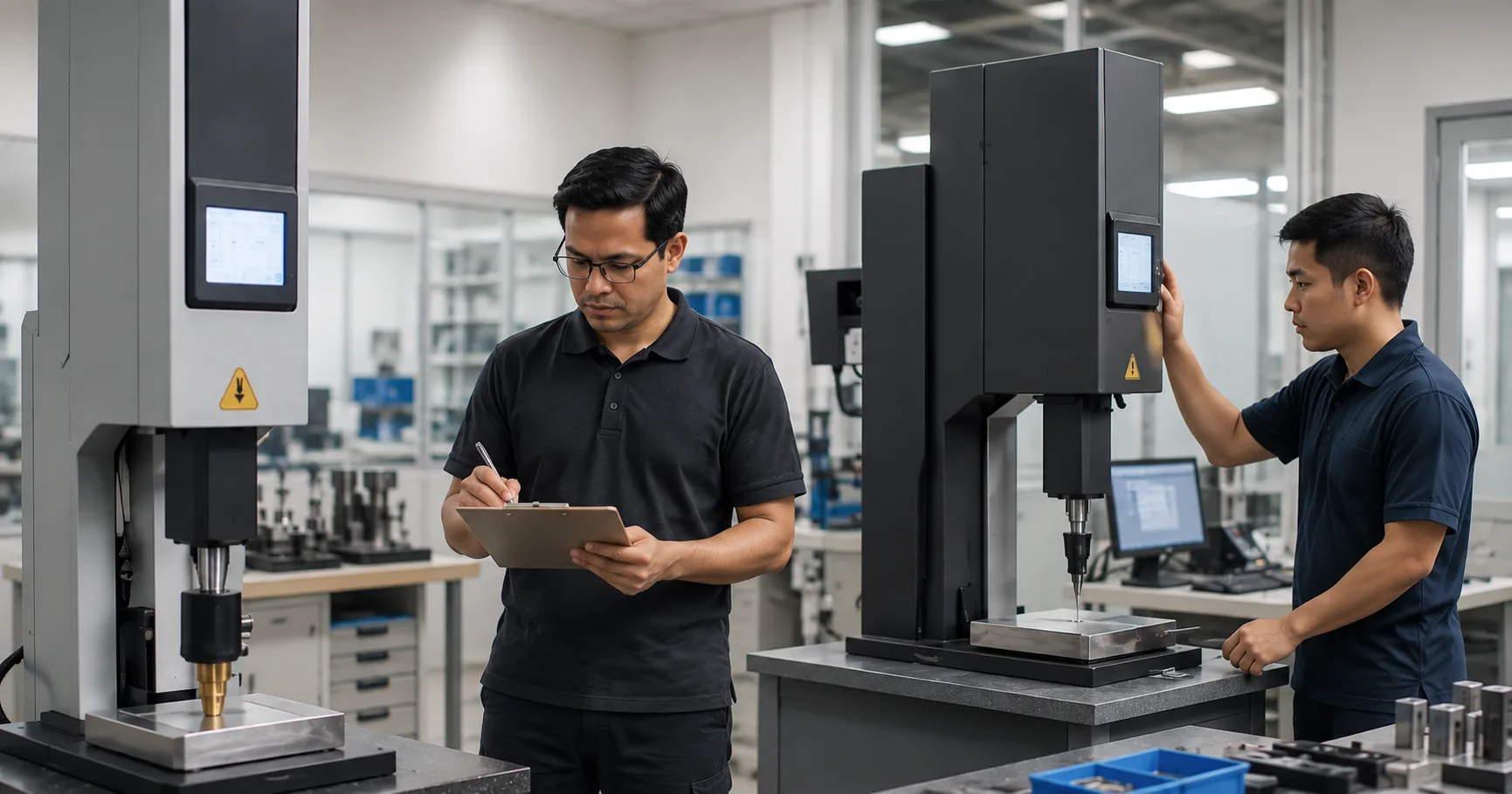
Expert Guide: Selecting the Right Industrial Electric Press in Malaysia for High-Precision Applications

In today’s competitive manufacturing landscape, precision, traceability, and efficiency are core requirements across sectors like automotive, electronics, medical devices, and aerospace. As assembly processes become more complex, the demand for reliable and accurate pressing solutions continues to grow. Selecting the right industrial electric press in Malaysia is critical for manufacturers aiming to achieve tight tolerances, repeatability, and seamless integration into smart factory workflows.

Understanding Industrial Electric Presses: Core Principles

An industrial electric press is a machine that uses servo-controlled electric actuators to deliver precise force and motion for pressing, joining, or assembly applications. Unlike pneumatic or hydraulic presses, electric presses provide highly accurate control over force, position, and speed, making them ideal for high-precision and quality-sensitive production lines.

Key characteristics of electric presses include:

  • Closed-loop servo control for accurate programmable force and displacement
  • Consistent cycle-to-cycle performance and repeatability
  • Integrated process monitoring and traceability features
  • Energy efficiency and lower operational costs compared to traditional presses

These features make them indispensable for manufacturers in Malaysia seeking to enhance quality assurance and comply with stringent industry standards.

Key Criteria for Selecting the Right Electric Press

Choosing the optimal electric press requires a careful assessment of process requirements, product specifications, and integration needs. Here are the crucial factors to consider:

1. Application Requirements

  • Force and Stroke Requirements: Determine the maximum pressing force and stroke length needed for your applications. For example, micro-assembly in electronics may demand forces in the tens of Newtons, while automotive structural components require several kilonewtons.
  • Accuracy and Repeatability: Specify the tolerance levels necessary for your assembly. High-precision applications, such as medical device or aerospace assembly, often require repeatability within microns.
  • Process Monitoring: Evaluate whether you need integrated force-displacement monitoring, OK/NOK evaluation, and real-time data logging for quality control and traceability.

2. Integration and Automation Compatibility

  • MES/Industry 4.0 Readiness: Look for presses that support Manufacturing Execution System (MES) and data connectivity to enable production traceability, remote monitoring, and process analytics.
  • Custom Workstation Integration: Assess whether the press can be seamlessly integrated with existing automation lines, PLCs, HMIs, and safety systems.
  • Flexibility for High-Mix Production: For manufacturers handling multiple product variants, a configurable press platform with quick-change tooling and programmable profiles is essential.

3. Support, Service, and Local Engineering Expertise

  • Local Technical Support: Reliable after-sales support, preventive maintenance, and quick troubleshooting are vital to minimize downtime and ensure long-term equipment performance.
  • Operator and Engineer Training: Ensure your supplier provides comprehensive training for both operators and engineers to maximize the effectiveness and safety of the press.

Application Insights: Where Electric Presses Drive Value

Industrial electric presses are deployed across a wide range of high-precision manufacturing sectors in Malaysia:

  • Automotive: Used for connector assembly, bushing insertion, and precision fastening where traceability and process control are vital.
  • Electronics: Ideal for micro-assembly, PCB pressing, and delicate component joining, ensuring no damage to sensitive parts.
  • Medical Devices: Ensures repeatable and validated processes for assembling diagnostic devices, surgical tools, and implants.
  • Aerospace: Critical for assembling lightweight, high-strength components where process monitoring and documentation are mandatory.
  • Industrial Manufacturing: Supports flexible production and rapid changeovers in factories with diverse assembly needs.

Best Practices for Evaluating and Implementing Electric Press Solutions

To ensure a successful investment, follow these best practices during your electric press selection and implementation process:

  1. Conduct a Thorough Process Audit: Map your assembly processes to identify pain points such as inconsistent press quality, manual data collection, or labor bottlenecks.
  2. Engage with Experienced Solution Providers: Partner with suppliers like Preston Technology SDN. BHD., who combine deep engineering know-how, integration capabilities, and regional after-sales support.
  3. Leverage Demonstrations and Trials: Arrange press demonstrations or pilot trials using your actual components and assemblies to validate process fit and performance.
  4. Prioritize Future-Proofing: Choose presses that are scalable, support Industry 4.0 requirements, and can grow with your evolving production needs.
  5. Train and Empower Your Team: Invest in operator and maintenance training to ensure safe, optimal, and sustainable use of your electric press solution.

For more strategies on upskilling your production team, see our guide on Enhancing Productivity With Schmidt Electric Press Training.

Why Manufacturers in Malaysia Trust Leading Technology Partners

Malaysian manufacturers increasingly partner with established technology providers for their industrial electric press needs. These partnerships offer several advantages:

  • Access to Proven Technologies: Brands like SCHMIDT offer a broad portfolio of servo and electric press systems tailored for precision assembly.
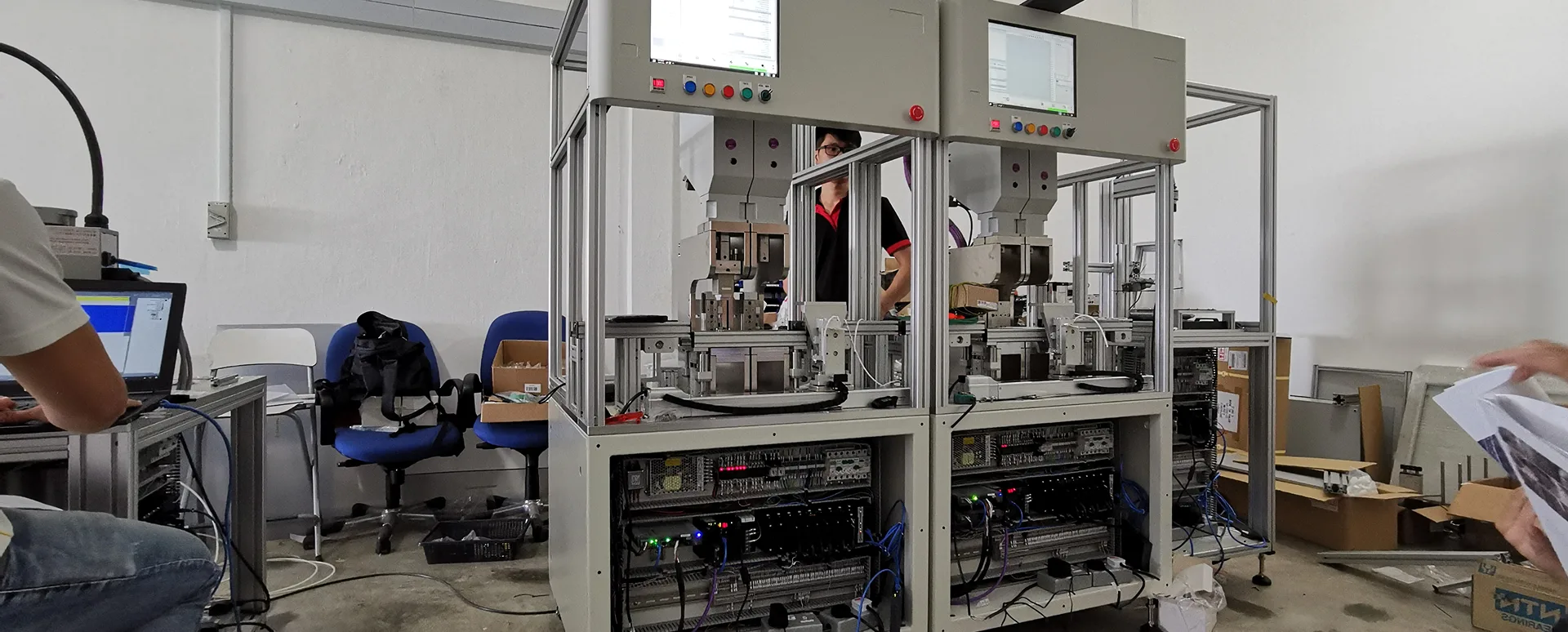
  • End-to-End System Integration: Integrated assembly solutions combine pressing, fastening, tooling, sensors, and controls for a turnkey production setup.
  • Comprehensive Traceability: Advanced presses deliver real-time feedback and production data, supporting quality audits and compliance requirements.
  • Regional Engineering Support: Local presence ensures rapid response, technical training, and ongoing system optimization.

To explore how smart manufacturing trends are shaping Malaysian industry, you may also be interested in Penang Industrial Master Plan 2030: Ushering A New Era For Smart Manufacturing In Malaysia.

Conclusion: Making the Right Choice for Long-Term Precision

The selection of an industrial electric press in Malaysia is a strategic investment that impacts quality, productivity, and compliance across advanced manufacturing sectors. By carefully assessing application requirements, integration capabilities, and supplier expertise, manufacturers can maximize returns and future-proof their assembly operations.

Whether you are upgrading an existing line or establishing a new facility, working with a trusted partner like Preston Technology SDN. BHD. ensures that your pressing solutions deliver consistent, traceable, and efficient results for every production cycle.

Frequently Asked Questions

What are the main advantages of using an industrial electric press in Malaysia over hydraulic or pneumatic presses?

Industrial electric presses offer superior force and position control, high repeatability, and integrated process monitoring compared to hydraulic and pneumatic alternatives. They are cleaner, more energy-efficient, and provide real-time data collection, making them ideal for high-precision and traceable manufacturing in sectors like automotive, electronics, and medical devices.

How can I determine the right pressing force and stroke for my application?

Start by analyzing your assembly process, component materials, and required joining specifications. Consult with your press supplier to perform sample tests or simulations, ensuring the selected press provides sufficient force and stroke range with the necessary precision for your specific application.

Why is MES and traceability integration important for electric presses?

MES and traceability integration enable manufacturers to capture and store critical process data such as force, stroke, torque, and OK/NOK results. This data supports quality audits, regulatory compliance, and continuous improvement initiatives, which are especially important in highly regulated industries.

What should I look for in an electric press supplier in Malaysia?

Look for suppliers with proven engineering expertise, strong local support capabilities, and established partnerships with leading technology brands. Comprehensive services—including consultation, system integration, training, preventive maintenance, and technical support—are essential for long-term operational success.

Can electric presses be integrated into existing automated assembly lines?

Yes, modern electric presses are designed for seamless integration with automation systems, PLCs, HMIs, safety equipment, and MES platforms. Choose a supplier experienced in system integration to ensure compatibility and optimal performance within your production environment.

Ready to Upgrade Your Assembly with Precision Electric Press Solutions?

Partner with Preston Technology SDN. BHD. for advanced industrial electric press solutions tailored for Malaysia’s demanding manufacturing environments. Our expertise spans precision pressing, fastening, assembly system integration, MES connectivity, and engineering support. From initial consultation to training and after-sales service, we help you achieve flawless, traceable, and efficient assembly processes.
Contact Preston Technology Today